

Our Story
A craft carried across generations.
The family story behind Maderati began long before the brand itself.
That family story reaches back more than a century—to an Italian cabinetmaker who made his life in Santiago, later generations who encountered woodworking in different ways, and a new generation that chose to give part of that inheritance a contemporary expression in the Dominican Republic.
1876–1931
A Legacy Shaped by Hand
Family history traces the beginning of this story to Ítalo De Angelis, an Italian decorator and cabinetmaker whose life and work became rooted in Santiago de los Caballeros in the early twentieth century.
His craft belonged to an era when furniture, architectural detail, and interior decoration were made largely by hand. Working with wood required more than technical ability. It demanded an understanding of proportion, material, construction, and the character a finished piece would bring to a room.
Historical records place Ítalo within Santiago’s creative life during this period. In 1915, he was documented as having decorated El Colmado, a café-restaurant in the city. Records also document his death in Santiago on November 3, 1931.
For Ítalo, wood was not simply a material to be shaped.
It was a craft through which an idea could become something physical—and remain long after the hands that made it.

Santiago · 1915
The craft left a trace.
Among the surviving records of Ítalo De Angelis’s work is El Colmado, a café-restaurant in Santiago that historical sources document him as having decorated in 1915.
More than a century later, that reference gives the family story something tangible: a place, a date, and evidence of a craftsman working in the city that would remain central to the generations that followed.
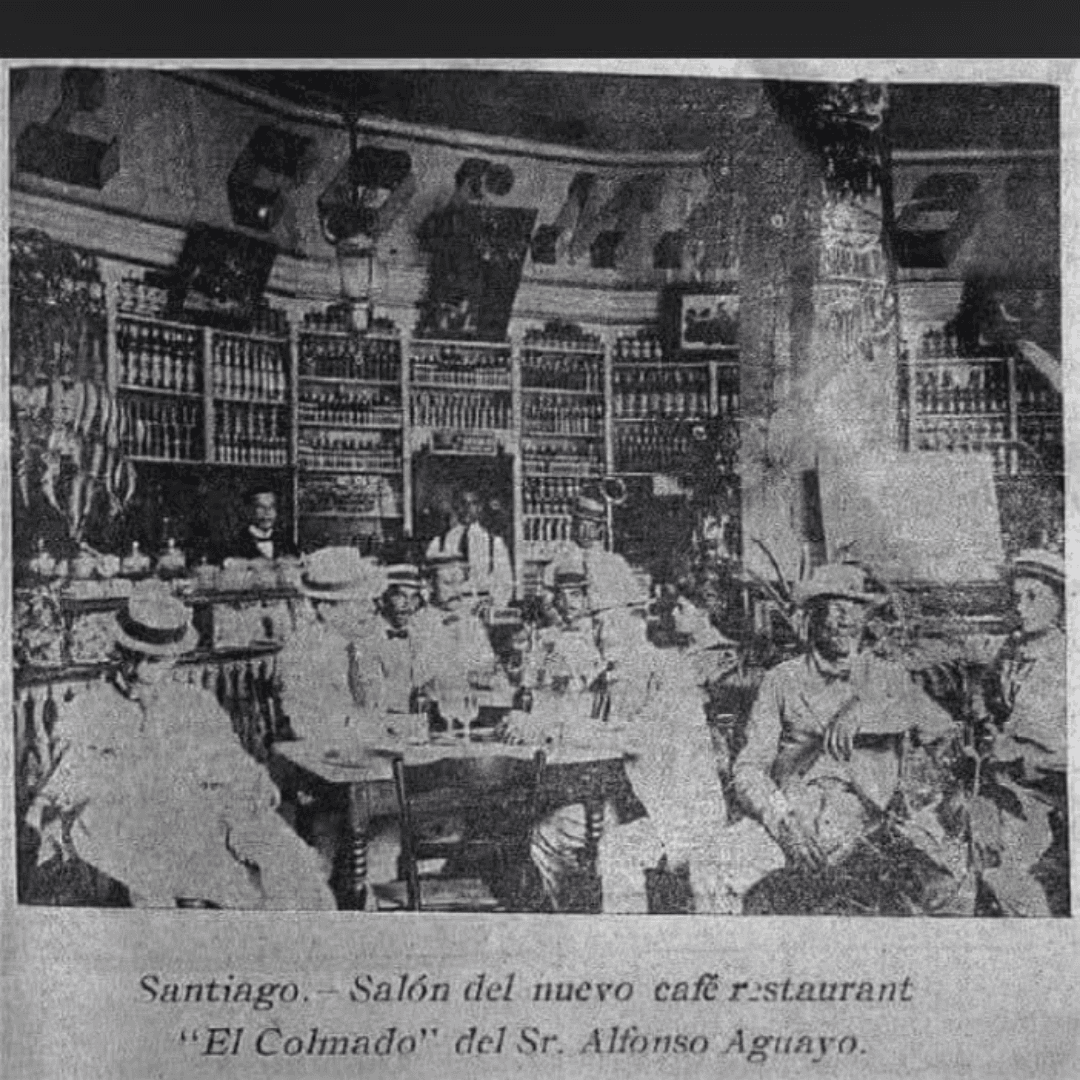
Family Archive
Before there was a company, there was a family.
The history behind Maderati was never preserved as a formal business succession.
It lived instead through family, memory, photographs, objects, and an enduring familiarity with making things by hand.
The surviving photographs of Ítalo are reminders that this story existed first as a life—not as a brand narrative.
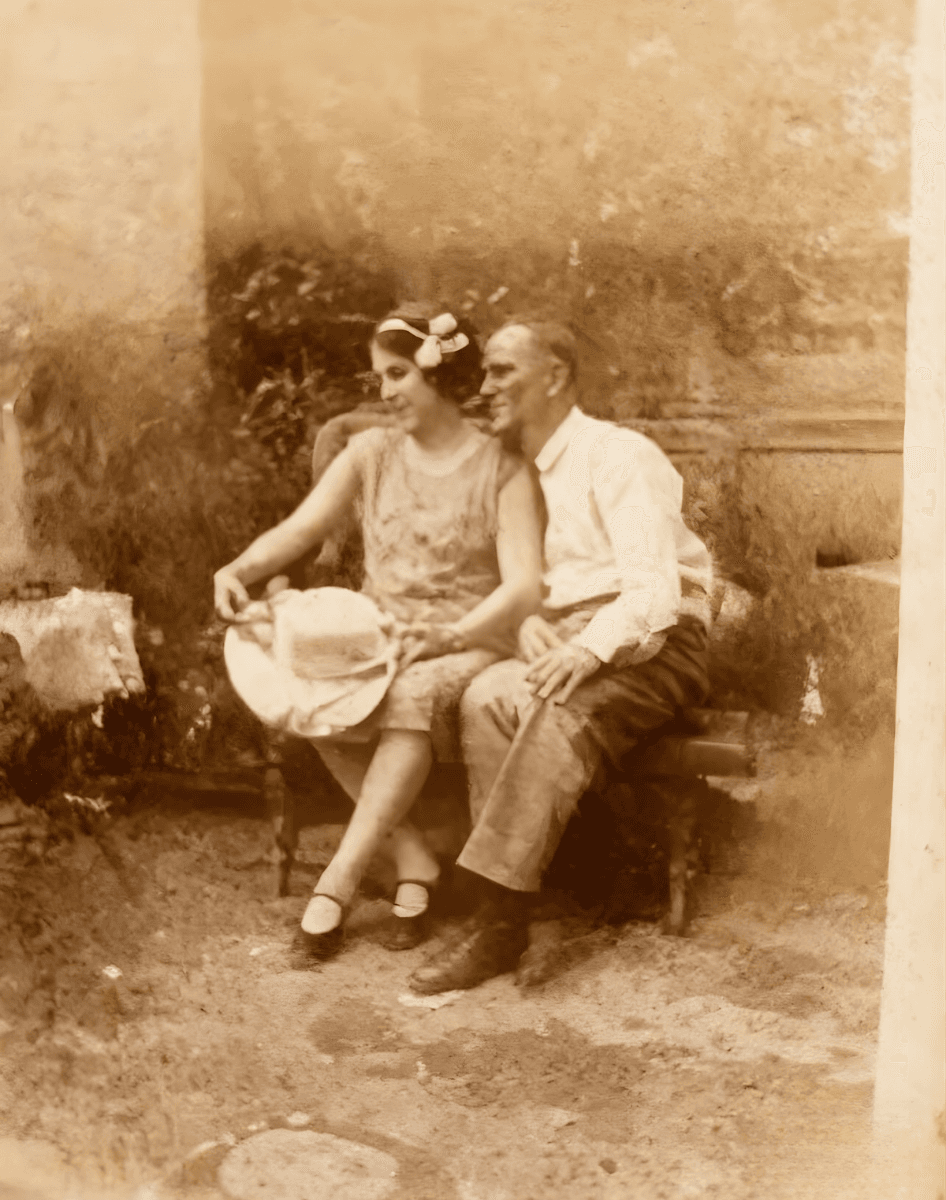
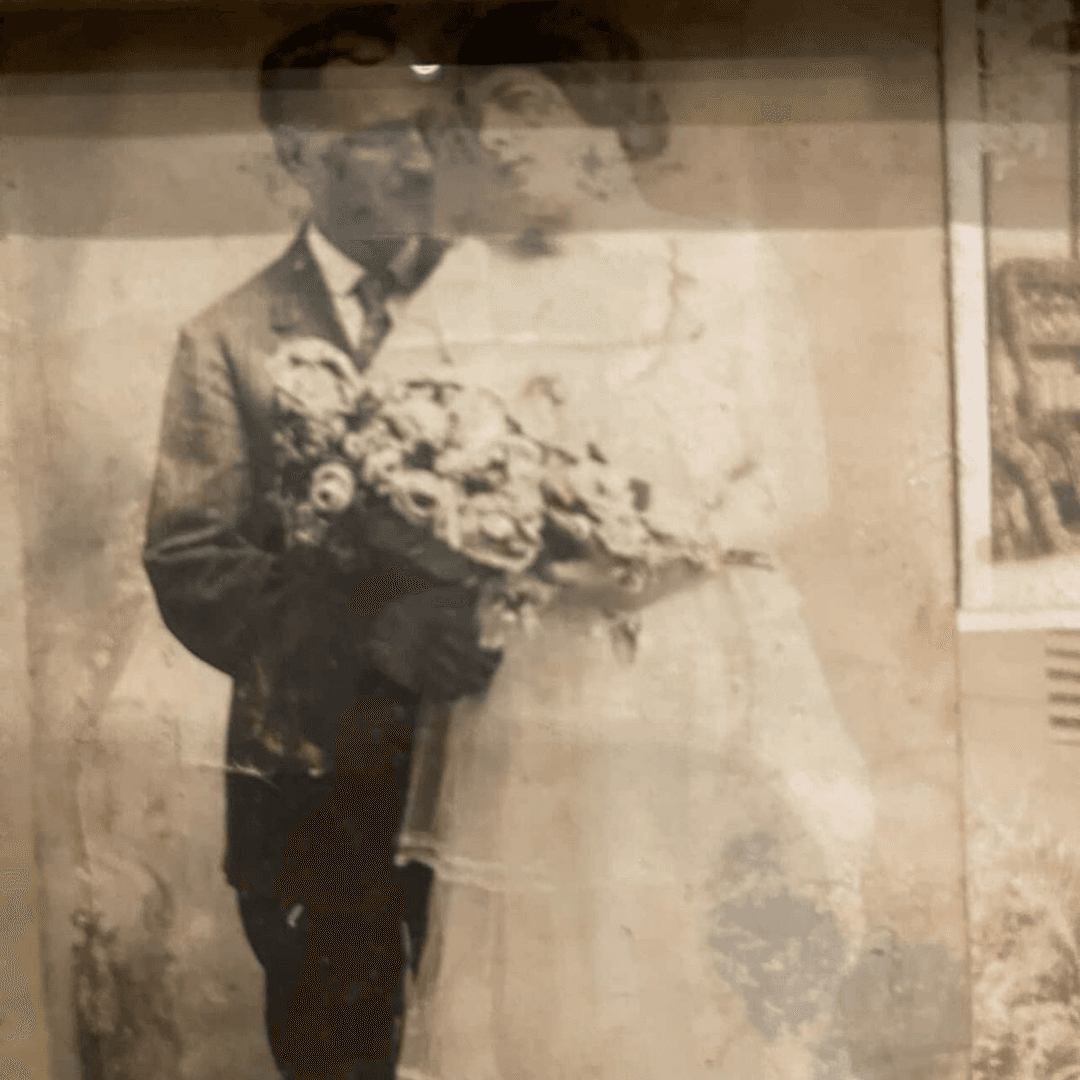
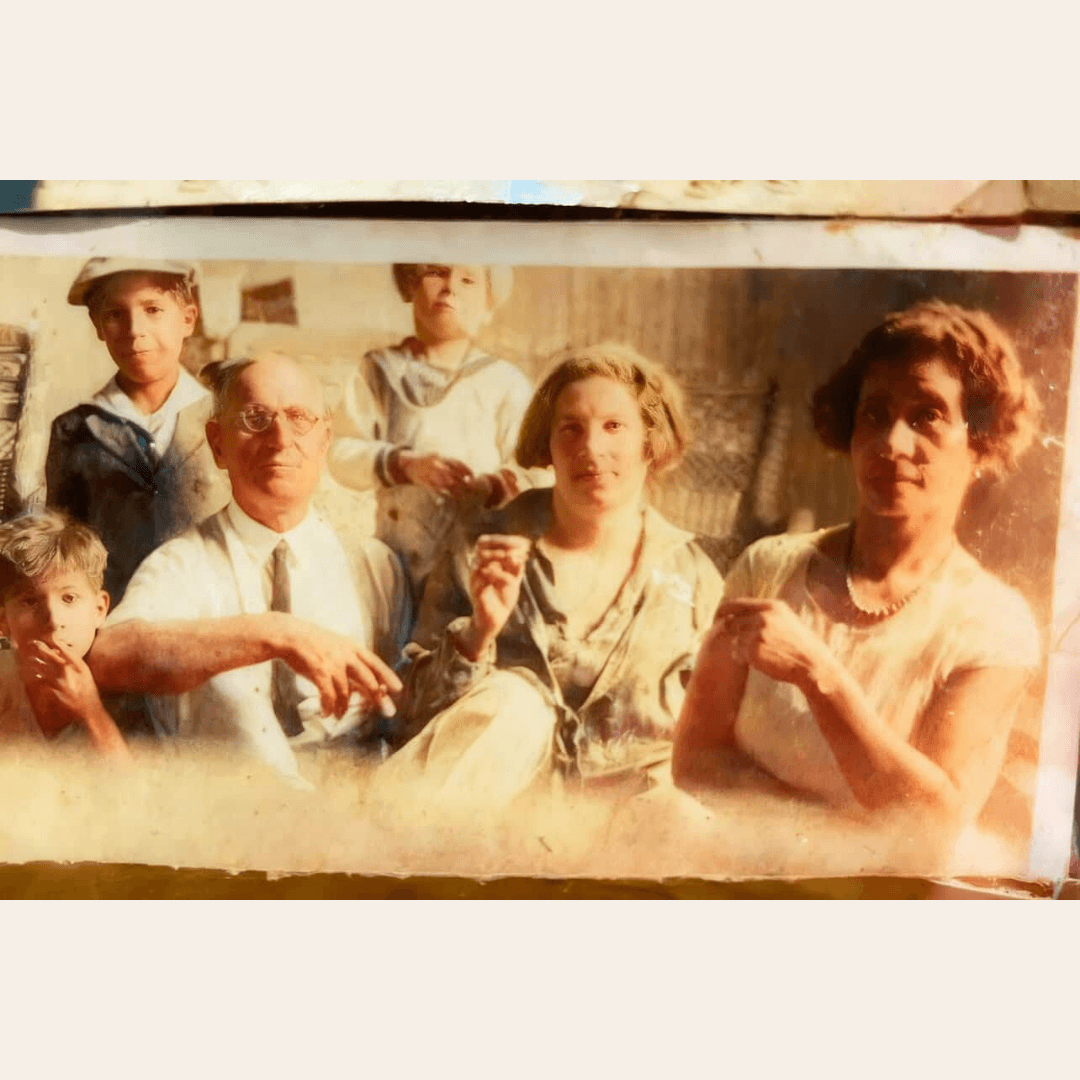
Family archive.

1917–1992
A craft that remained close.
The next generation did not turn the family craft into a company.
Ítalo Luis Pablo De Angelis, son of Ítalo, maintained his own relationship with woodworking from a more personal place. Family history remembers him preserving tools passed through the family and continuing to work with wood out of interest and passion rather than as a formal profession.
For decades, the connection remained quiet.
There was no plan to build a furniture brand around it. No carefully designed succession.
But the tools remained.
And so did the instinct to make.
The Objects That Remained
Some parts of a story can still be held.
Among the objects preserved by the family are woodworking tools that survived from earlier generations.
They are not displayed as decoration or as symbols manufactured for the brand.
They simply remained.
Their wear, materials, and marks carry something photographs cannot: physical evidence of a relationship with the craft that existed long before Maderati.
What seemed like an interest began to feel familiar.
Later generations followed their own paths.
Ítalo De Angelis and Gianni De Angelis, grandsons of the original craftsman, developed an attraction to woodworking and making without initially understanding the full history that preceded them.
What began as personal interest gradually became something more significant.
Only later did the connection with their grandfather’s craft become fully understood.
The discovery did not create their interest in wood.
It gave that interest a history.
The family relationship with woodworking had not followed a perfectly straight line. It changed, took different forms, and found a different expression in another generation.
Legacy as a starting point, not a limit.
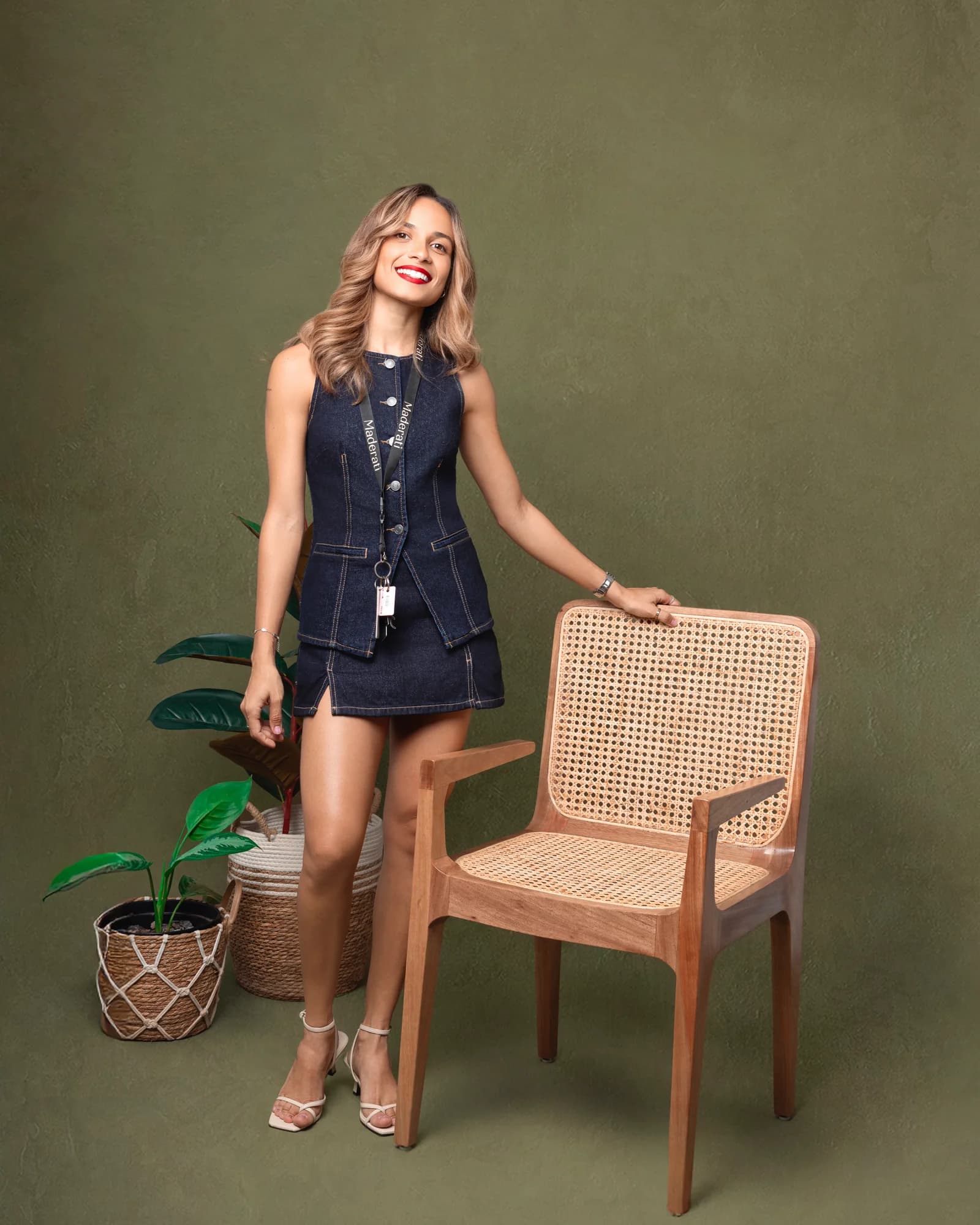
That family history reaches another generation through Pamela De Angelis, daughter of Ítalo De Angelis, one of the grandsons of the original craftsman.
Growing up around materials, making, and creative work shaped a perspective that combines respect for craftsmanship with a contemporary understanding of design, presentation, and how people live today.
Preserving a tradition did not mean reproducing the past.
It meant understanding what was worth carrying forward.
From that perspective—and through collaboration with people who shared the same respect for wood, furniture, and thoughtful making—the ideas that would become Maderati began to take shape.

Today
We do not reproduce the past. We build from it.
Maderati is a contemporary expression shaped in part by a family history connected to woodworking, alongside its own present-day identity, vision, and way of working.
Our furniture is handcrafted in the Dominican Republic, not as an attempt to recreate another era, but through principles that remain relevant today: respect for the material, attention to proportion, careful construction, thoughtful design, and the belief that a piece of furniture should earn its place in a home over time.
The catalog is a starting point, not a boundary.
Pieces can evolve through dimensions, materials, finishes, upholstery, references, drawings, and the particular needs of the room they are being made for.
The objective is not to make more furniture.
It is to make each piece with intention.
Our Origin
Rooted in the Dominican Republic. Made for homes in the United States.
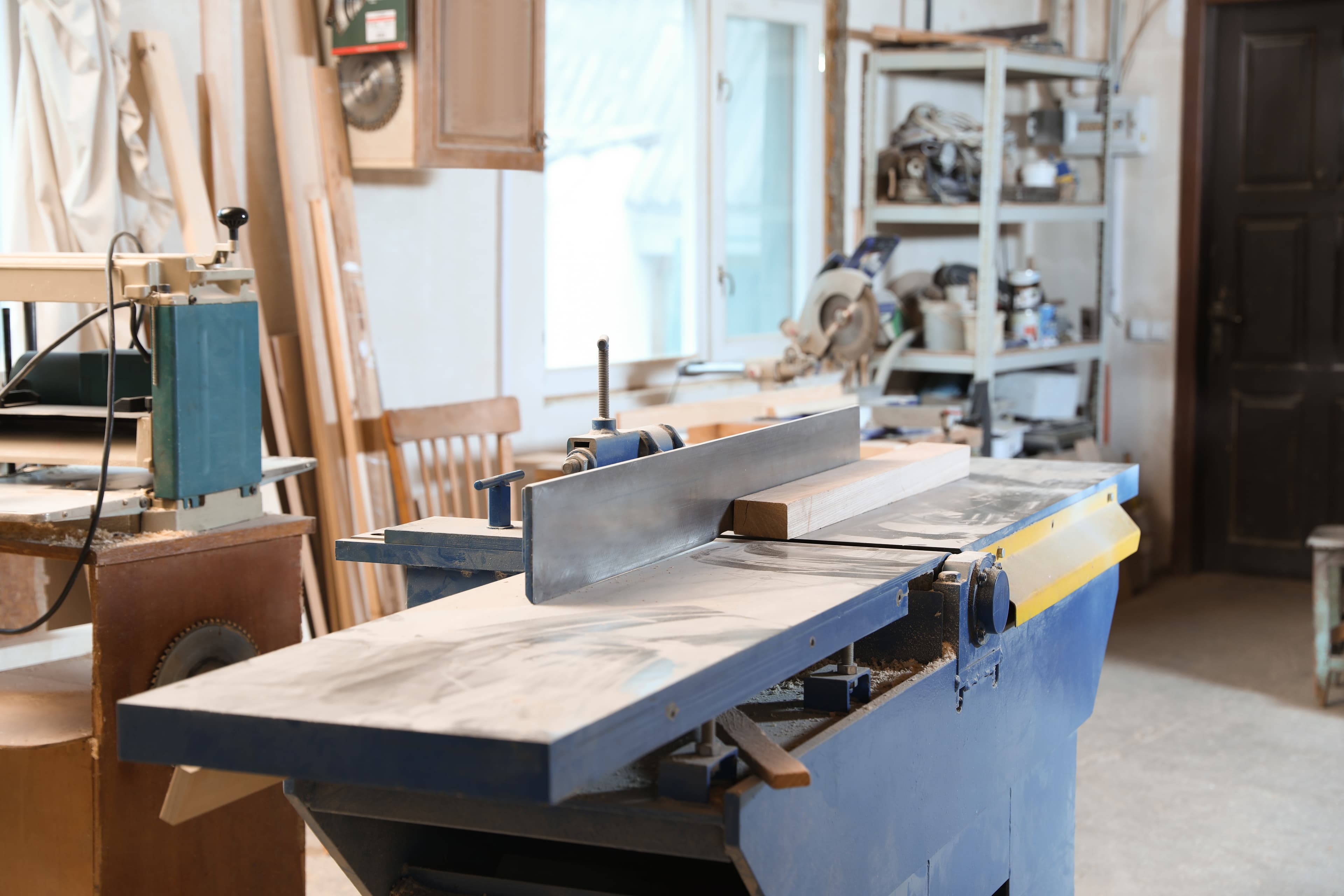
The workshop, the family history, and the way Maderati works remain rooted in the Dominican Republic.
Maderati USA extends that work to clients in the United States through a project-based process built around conversation rather than checkout.
Each project begins by understanding the piece, the room, its intended use, dimensions, materials, and the details that matter before production begins.
Distance does not change the principle behind the work:
thoughtful communication, careful making, and furniture developed around the home it is meant to inhabit.
Handcrafted in the Dominican Republic. Made for homes in the United States.
A Living Story
Some things are passed down without being planned.
Through photographs.
Through objects kept for decades.
Through an instinct for a material.
Through hands that discover something familiar before knowing where it came from.
Maderati is one contemporary expression shaped by that history.
The names, tools, and circumstances have changed.
What Maderati chooses to carry forward is simple:
make thoughtfully, respect the material, and create something worth keeping.
Begin with a thoughtful inquiry.
Share what you are hoping to create, and Maderati will help shape the next conversation with care.